

By: Caitlin McAllister
Genetic Issues in Breeding
When you buy a cat from a breeder you expect that cat to be perfect. However, breeding for a particular trait necessitates a certain degree of inbreeding. Inbreeding increases risk for genetic disorders and can predispose an animal to disease when certain mutated genes that cause disease become more frequent in the population. Does this mean all breeds prone to a particular disorder will get sick? No. Many breeders of both cats and dogs are very careful in screening their animals for poor genetics; however, not all pet breeders are created equal and it can be very hard to tell who’s good and who isn’t. At the end of the day, it is usually the animals that look the fanciest that have the worst health possible. In this list, I present 5 breeds with increased risk for extensive health complications.
1. The Siamese
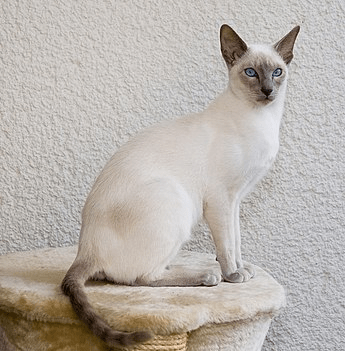
The Siamese cat is a beautiful creature. Originally from Thailand, which was once called “Siam”, these cats are a popular choice for their elegant slender forms, unique colouring and stunning blue eyes. They have adventurous and high-maintenance personalities and are often known to be extremely vocal. Unfortunately they are also prone to some truly nasty health conditions including lymphoma and intestinal cancers, asthma, progressive retinal atrophy, and amyloidosis (a condition where a misfolded protein is accumulates and damages tissues), and Niemann-Pick disease. While many of these issues may not show up till later in life, if you have a Siamese it is best to prepare for significant veterinary expenses down the road and to make sure you are buying from a well-credentialed breeder. Conditions such as Niemann-Pick Disease may arise as early as 3 months old, and no-one wants to have to see their perfect new kitten experiencing the tremors and declining mobility associated with the condition.
2. The Manx
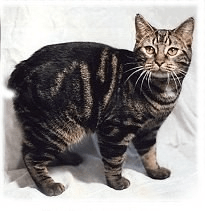
Manx cats originated from the Isle of Man in the Irish Sea and have the defining features of being born with little to no tail, although occasionally you’ll see one with a full tail. It is for this reason exactly that they make this list.
There is no way of predicting how short the tail will be, but if a Manx is born with too short a tail, or more precisely too short of a spine, they may develop “Manxness“. In this condition the over shortening of the spine due to the excessive genetic phenotype causes adverse neurological conditions and often they will have significant organ problems as well and may die within 2-5 years of life. Though good breeding practices have increased the rarity of this issue, you may want to be cautious when selecting a Manx with a particularly non-existent tail.
3. The Persian
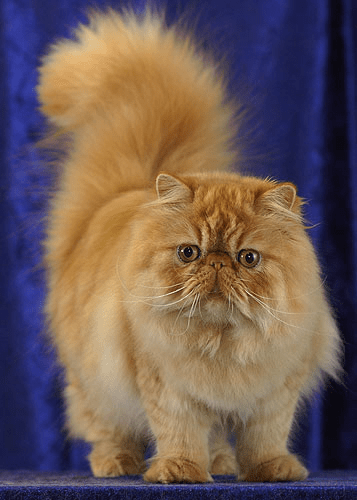
While popular for their abundant floof and cute pudgy faces, this Mesopotamian breed is known by veterinarians to be cursed by their own adorable anatomy.
Persian cats are among a class of cats known to be brachiocephalic, meaning they have a short skull. Unfortunately for many Persians this translates frequent respiratory issues, eye issues, and skin issues, if that wasn’t enough they can sometimes carry the gene for polycystic kidney disease (PKD) which leads to unmitigable kidney failure at a relatively young age. Thankfully it is possible for breeders to screen for this with genetic testing. Some Persians with significant breathing difficulties may require surgery to widen their nasal passageways, in these cases surgery is recommended to be performed as early as possible to prevent an early death. So before you consider purchasing a Persian, make sure the breeder can prove to you that the parents have been screened genetically, and that you have a few thousand put away for emergencies or adequate pet insurance. Alternatively, you could always go to a shelter and take home a perfectly wonderful mix-ed breed cat with a normal face.
4. The Scottish Fold
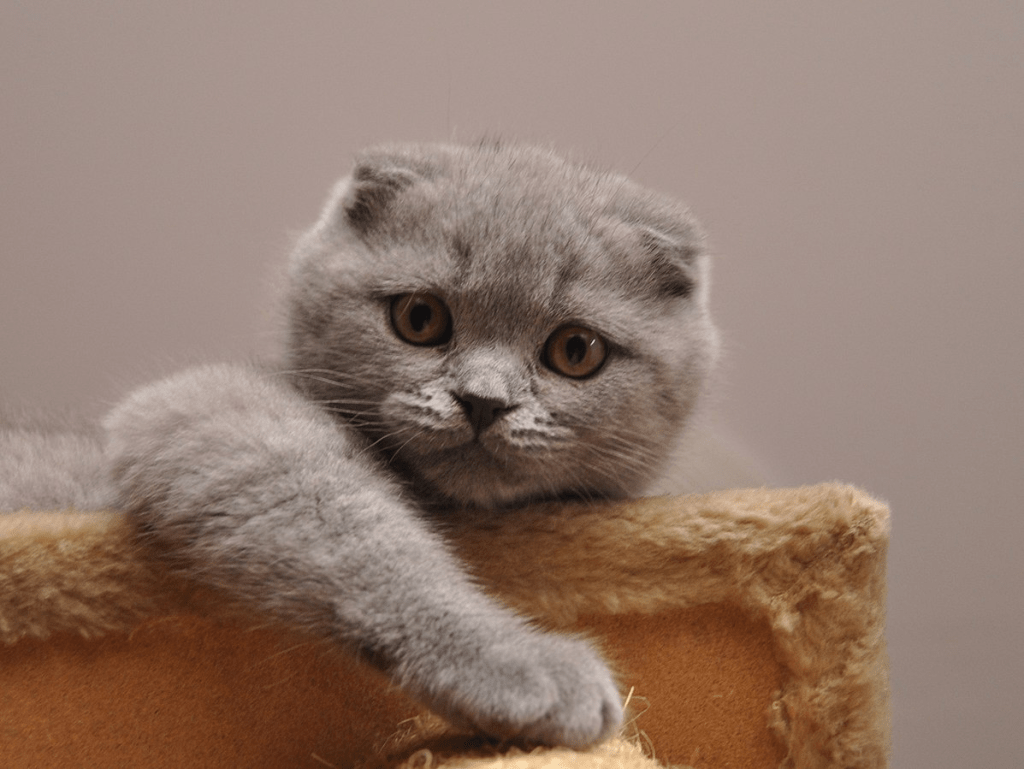
The Scottish Fold is a cute little fellow originating in, you guessed it, Scotland. It gets its name from the folded shape of its ears. Unfortunately while these breeds are generally healthy, they are predisposed to polycystic kidney disease, heart disease, osteochondrodysplasia which causes skeletal deformities that worsen over time and can be quite painful. As cute as they are, many believe it is unethical to continue to breed them. Genetic tests are available to assess their genotype, but it is almost impossible to prevent some degree of bone and cartilaginous issues in breeding, straight eared phenotypes of this cat may have less issues, but if the ears are straight are they really a fold? If you have a fold, prepare to empty your pockets for extensive and largely futile medical care.
5. Bengals
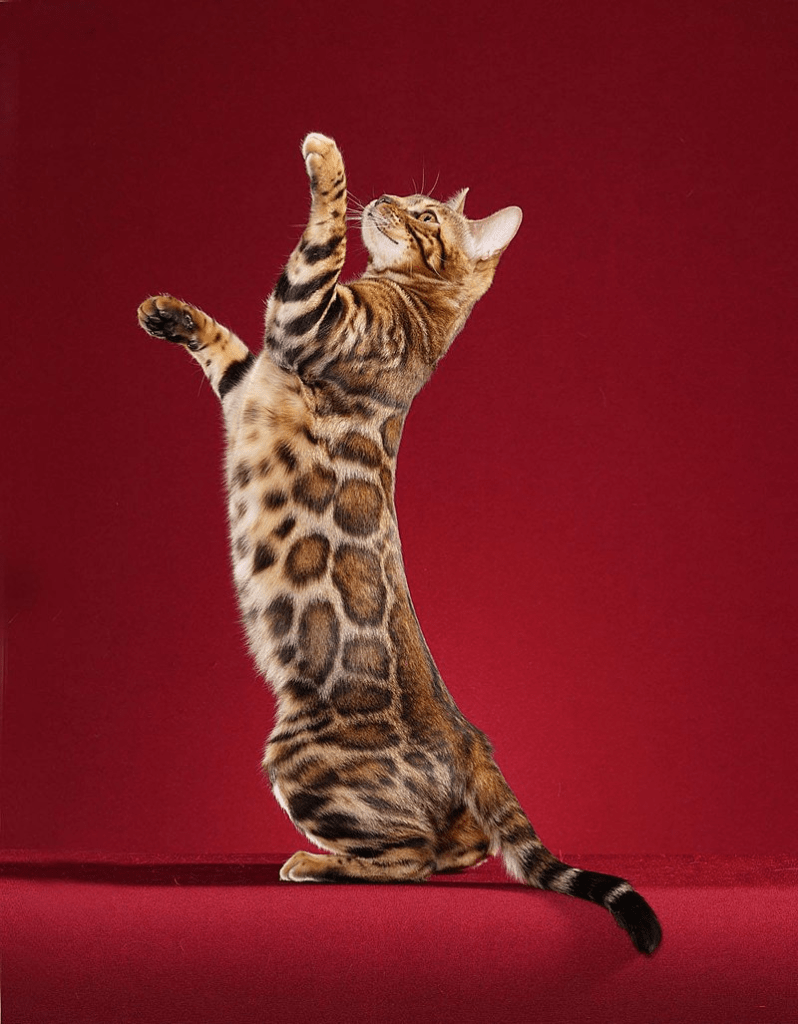
Bengals are undisputedly gorgeous with their leopard print and shiny coats. They were originally a cross between the Asian Leopard Cat and domestic cats. In that sense, they are not a true felis catus. They are hybrids. Due to their close ties with wild cats they have sometimes been reported as unusually aggressive towards other animals and indeed other cats. Worryingly still, as this breed has become more popular, it was noticed that some have predispositions towards pyruvate kinase deficiency (a condition that can lead to severe anemia), progressive retinal atrophy (which can lead to blindness), and hypertrophic cardiomyopathy (heart failure). If you’re set on a Bengal, approach this breed with caution and do you’re research.
Final Thoughts
Cat breeding, and indeed animal breeding in general is an ethically debated subject. While there is nothing wrong with owning a so called “pure” bred, whether for aesthetic purposes or because you love their temperament, I tend to believe that it is kinder to leave these things to nature. Is it ethical to breed a cat, knowing that in doing so you are actively interfering with it’s genetic diversity? That it may suffer uncontrollably because of that action, doomed before it’s even born? Though there are many talks about “responsible breeders”, when you have a limited gene pool to work with inbreeding is inevitable. I personally don’t think its fair to these breeds or to the owners who purchase them, love them, and then watch them die. Whatever pet you choose, you should choose out of love, and with as much information as possible to provide for its welfare. Hopefully this article gave you something to think about.
Want More Content Like This?
If you enjoyed reading this article. Consider leaving a small donation of $1-2 on my patreon. I may be an international student, but unlike other international students I am not from wealthy family. I am struggling to pay for my degree off my own blood, sweat, and tears. While I enjoy writing, it takes time and effort and is not particularly lucrative. Any small donation would be greatly appreciated. That being said, I appreciate everyone who does me the honor of reading my blog. I may not be the most inspiring writer but I am working on myself and seeing that people actually read this stuff makes my day. Whether you donate or not, everyone is welcome at PetiScience, and I thank you for your continued support. Please feel free to leave a comment down below, let me know what you think, and what you’d like to hear about in the future.
-Caitlin McAllister (DVM Candidate 2028).
 PetiScience


