
What is Pi Day?
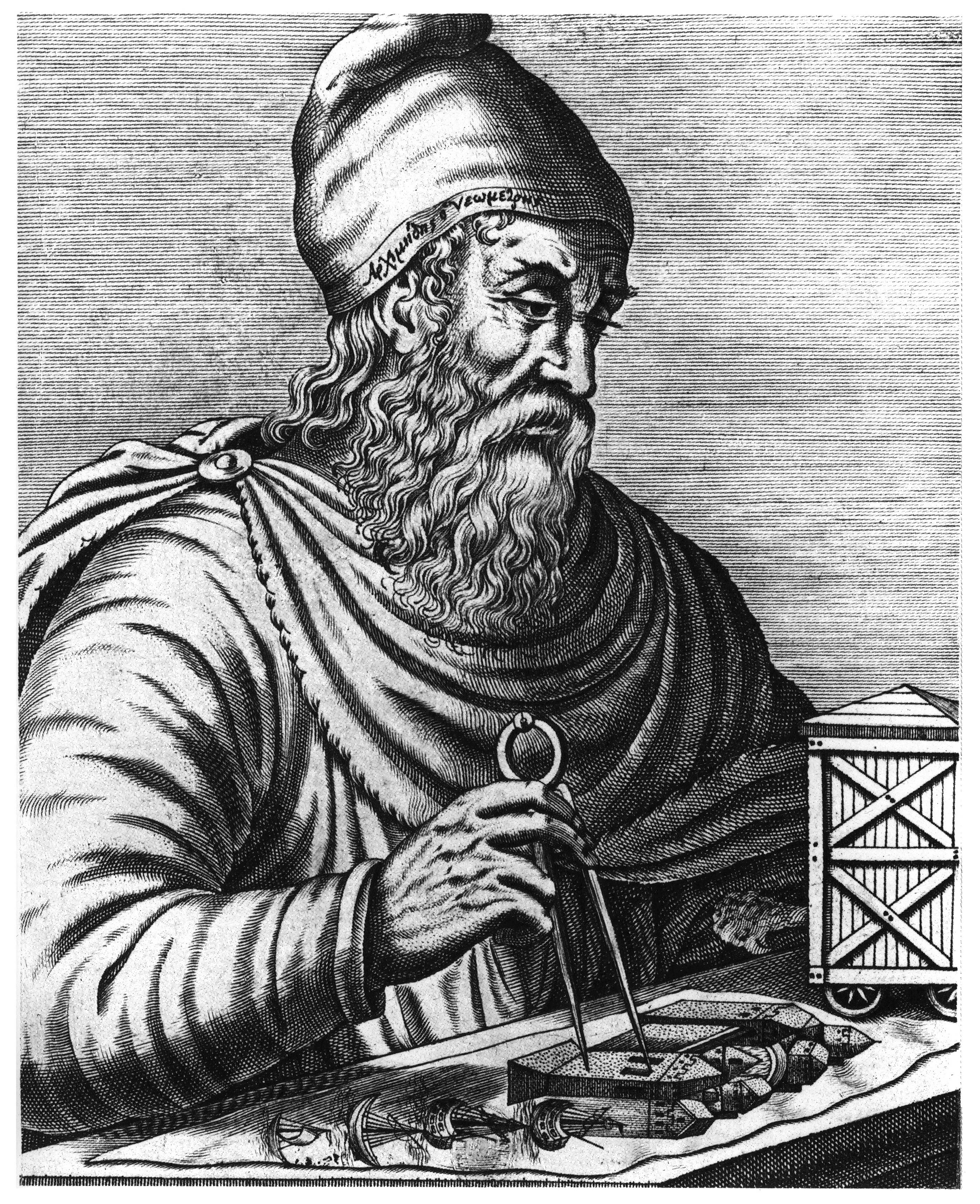
Pi day is an international day founded in 1988 dedicated to the arithmetic constant pi, or 3.14, in hopes to inspire interest in mathematics. In this article I hope to use it to spark interest in another science. The constant was originally discovered by Archimedes, a Greek inventor and mathematician whose work contributed greatly to the study of geometry [1]. However, the very useful constant aside, why are we discussing Archimedes? A person who was most distinctly not a veterinarian in any way shape or form? The answer is simple, because it is March 14th and therefore Pi day! But also because Archimedes is credited with more than just pi. You see Archimedes, great inventor that he was came up with Archimedes Screw!
What About The Screw?
So what was Archimedes’ screw you may ask? Archimedes’ screw was an ingenious device used to lift water uphill without electricity by displacement [2]. The design is fairly simple. A corkscrew shape inside a tube is rotated, and with each rotation water is trapped and moved upwards. You can learn to make a simple version of it here. But because of the shape of the screw, when a fossil was discovered of a similar shape it was named Archimedes.
What were Archimedes
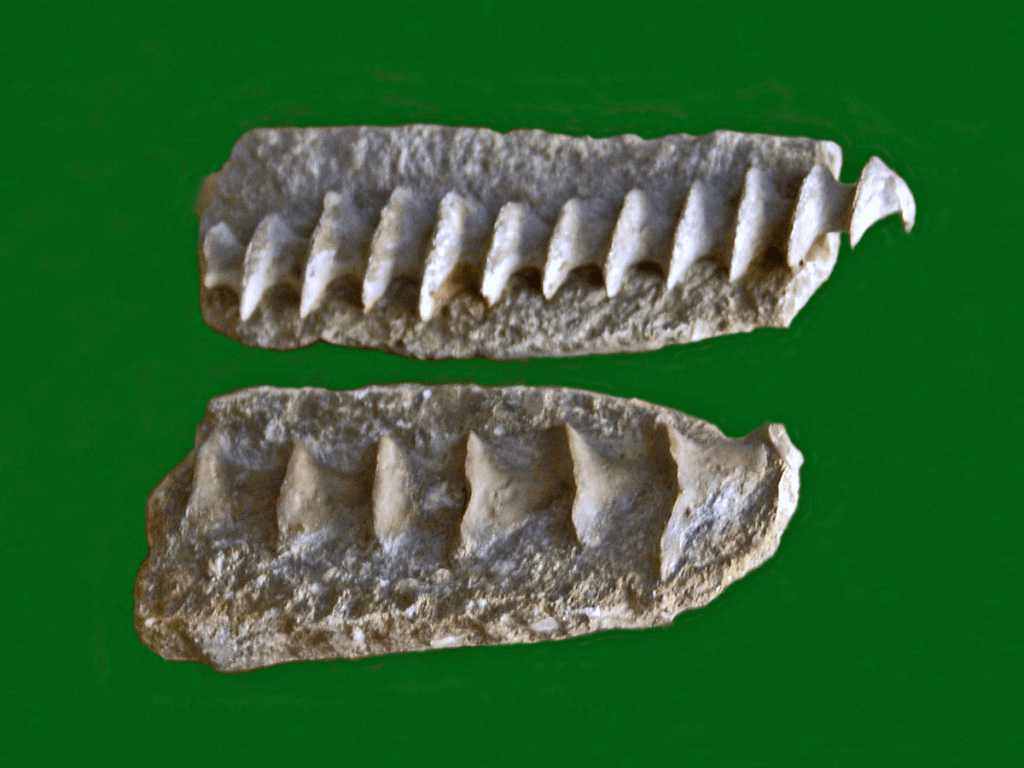
Archimedes were a species of Bryozoans, a microscopic water-dwelling invertebrate that forms colonies similar to coral. They are filter feeders and live on microbes which they capture with hair-like cilia that line their teeny-tiny tentacles [3]. Archimedes fosses are ubiquitous throughout North America and existed during the Mississippian period, some 300 million years ago give or take [4]. Today, you can find paleontologists marveling at their fenestrated spiral structure and people selling them for peanuts on Ebay. Wondrously, the phylum Bryozoan still exists today playing important roles in producing structural constructs for other species to form homes in due to their calcified exoskeletons, unfortunately those same exoskeletons became at risk with increasing ocean acidification [5].
It All Comes Together
In this brief article, I told you about a mathematician who discovered a constant that inspired a holiday who also happens to be the inspiration for the naming of an ancient organism whose relatives serve an important ecological purpose. Is this of any real relevance to veterinary medicine? Maybe not. But every now and then one needs a simple element of whimsy. So the next time you’re taking a walk in North America, you can imagine an ancient shallow sea, where a tiny corkscrewed organism once lived, and you can remember the name Archimedes.
 PetiScience