
What’s in Your Medicine Cabinet?
Human medication and pets
While it’s true that dogs are mammals and as such have many things in common with humans in terms of their basic biology, it is also true that their biology is very different. This is particularly true with how many pets react to common medications prescribed or recommended for humans. It is natural when your pet is sick or injured to want to to do something about its pain, but with the price of veterinary care, sometimes owners are tempted to take things into their own hands. While well-intentioned, this is something that no one should ever recommend, because the consequences may be lethal. In this article, I break down 5 common medications that can be devastating for your pet.
1. Acetaminophen
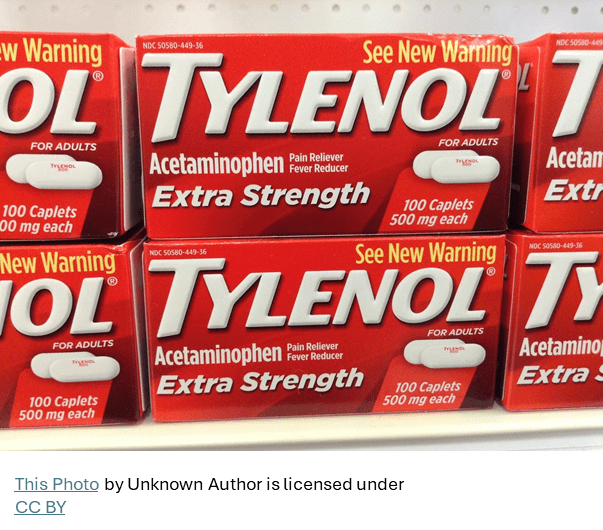
Acetaminophen or Paracetamol, sold under the brand name Tylenol, but also found in other medications such as NyQuil, Excedrin, and Robitussin, is a household favorite for many when it comes to relieving aches and pains. Unfortunately acetaminophen can have deadly consequences for your dog or cat. It is also perhaps the number one drug of choice for owners who feel like playing veterinarian. This drug can cause acute liver failure in cats because they have very little of a key enzyme used to metabolize it in the liver, glucuronoyl transferase. Most mammals can detoxify acetaminophen by complexing it with a compound in the liver, glutathione via glucuronoyl transferase. In absence of this pathway or when acetaminophen is overdosed, it is metabolized by a protein called cytochrome-P450, but this reaction produces a highly toxic product called N-acetyl-para-benzoquinoneimine or NAPQI for short. NAPQI can destroy cell membranes and proteins and rapidly causes destruction of liver cells and red blood cells. While dogs are said to tolerate up to 100 mg/kg of body weight of acetaminophen, there is no know safe dose for cats with as little as 10 mg/kg known to cause acute toxicity, that means that even a single pill is enough to kill your cat. Toxicity has even been reported in cats who did so little as play with an empty bottle containing trace amounts. Death by Tylenol is not pleasant, I have been asked by owners before if in lieu of euthanasia, they could use this drug to help their cat peacefully pass on. The answer is always no, while it would kill them, death would be anything but peaceful. Symptoms include abdominal pain, vomiting, foaming at the mouth, and difficulty breathing, and death can take several hours. If you suspect your cat has consumed acetaminophen in any quantity, get it to the vet as soon as possible.
2. Aspirin
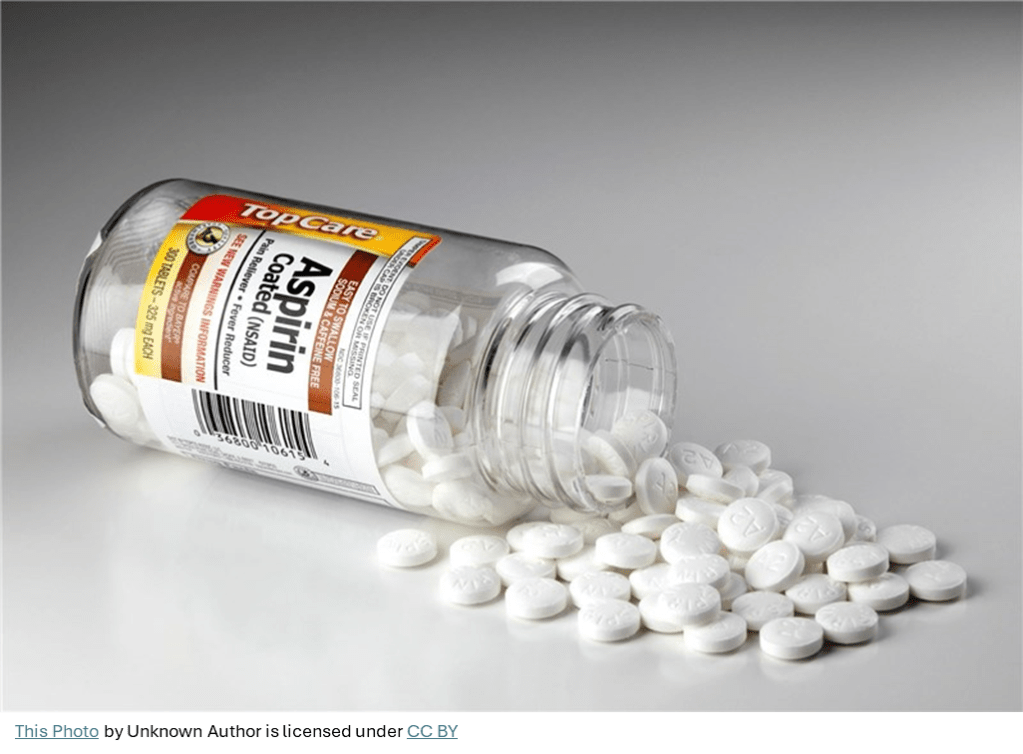
Acetylsalicylic acid, more commonly known as Aspirin, is an anti-inflammatory drug that falls into the category of NSAIDs (non-steroidal anti-inflammatory drugs). Most people know it for its effects as a blood thinner, and many take daily low-dose aspirin as a means to prevent heart attack or stroke. As such, it is a common find in a household bathroom cabinet. That being said, it’s also very toxic to cats, leading to coma, seizures, ulcers, and liver failure, though dogs can tolerate small amounts of aspirin it is known to cause digestive upset and ulceration of their intestines. Because of Aspirin’s effect on clotting, it can cause severe bleeding and as little as 80 mg/kg can result in death. While dogs can tolerate some aspirin, they can not take as much as humans and it is considered mildly toxic according to the PetPoison Helpline.
3. Muscle Relaxants
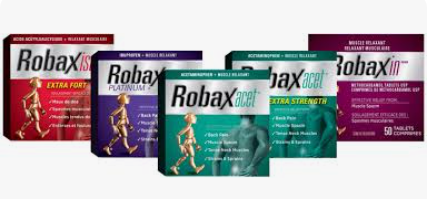
Muscle relaxants are tricky for both dogs and cats alike. This category of medication encompasses a wide range of drugs some of which are safe and some of which can be deadly. They also often have a narrow range of safety before they become toxic, meaning playing with human equivalents of these drugs is extremely dangerous. Medications commonly found in muscle relaxers such as Baclofen, Methocarbamol, and Cyclobenzaprine are rapidly metabolized and an animal can show signs of weakness, tremors, tachycardia (fast heart beat), leading to coma and death after a few hours according to the MSD manual. A case study reported successful treatment of two dogs displaying tremors, strange behavior, and tachycardia after ingestion of as little as 9.2 mg/kg. of cyclobenzaprine . Some muscle relaxants such as methocarbamol are appropriate for treatment of pets with extreme pain or spasms, but a veterinarian should always, without exception be consulted to ensure the appropriate dose is provided. Furthermore, human name brands for muscle relaxants often combine methocarbamol with other medications like acetaminophen or ibuprofen which can be deadly. Remember that human medications are formulated for an animal that generally weighs over 100lbs, and as such it’s easy to deliver a toxic dose of medication to a pet accidentally, even if there is an approved version in pets. Ironically though, despite the ease for accidental at home poisoning, methocarbamol is considered the treatment of choice for an animal poisoned with Snail Bait!
4. Naproxen
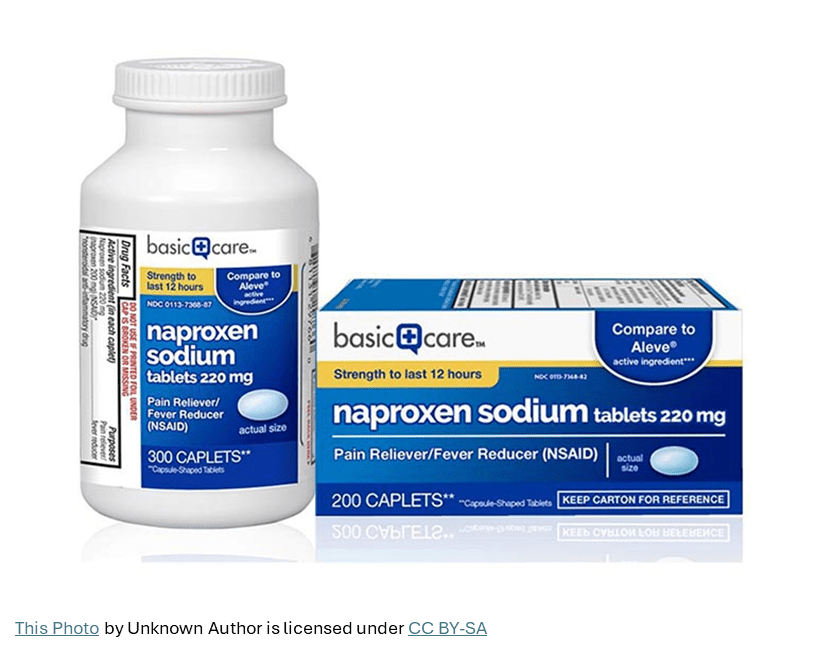
NSAIDs are a touchy subject for cats and dogs. Both Ibuprofen and Naproxen fall into this category. Naproxen is often sold under the brand name Aleve and is highly toxic to dogs with as little as a single human dose being being deadly. Naproxen acts by blocking the enzyme cyclooxygenase, which prevents prostaglandin production. Prostaglandins have roles in platelet activity and blood clotting, as well as inflammation. Naproxen, while effective at decreasing inflammation, causes severe gastric ulcers in dogs, kidney failure, vomiting and diarrhea, which may or may not contain copious amounts of blood according to veterinary poisons information services. Naproxen also is cleared much less efficiently in dogs than humans and has a half-life of up to 74 hours! If you suspect your dog or cat has consumed naproxen in any quantity, call your veterinarian immediately. Time is of the essence to get them to regurgitate, preferably before they’ve absorbed enough to kill them.
5. Ibuprofen

Ibuprofen, often sold under the name Advil, Motrin, and Perofen, is a perfect example of how not all mammals process things the same way. While having therapeutic effects in dogs at doses of 5 mg/kg, it is extremely lethal in cats. That being said, the safe range of dose in dogs is very small, and it isn’t considered safe to try to play with splitting pills meant for humans with this drug. Even when used responsibly, dogs given ibuprofen can develop gastrointestinal bleeding within a month of use. If given in higher doses, after bleeding comes kidney failure, then seizures, followed by coma according to the veterinary information network. According to the MSD Veterinary manual, cats are susceptible to poisoning at about half the recommended dose for dogs and even worse for ferrets. Cats are sensitive little creatures, while dogs have a moderately wider range of NSAIDs available to try the only FDA approved NSAIDs for cats are meloxicam and robenacoxib (metacam and onsior).
Keeping Your Pet Safe
While it is often tempting to look to over-the-counter medications for our pets to save on costs, time, and relieve pain the consequences of doing so can be disastrous. There are sometimes ways to get lower-cost veterinary care or pain management options through insurance, using no-name brands, or payment plans, and yes, sometimes drugstores are an option, but always seek veterinary advice when doing so. Poisoning your pet is all too easy to do without proper guidance. Here are some tips to prevent tragedy.
- Never give your animal anything without consulting your veterinarian. Many people think that vets will always tell you no to sell you something. In reality, there are very few drugs that can be given safely over-the-counter, but for those that can be used most vets would much rather work with you to keep your pet safe than see it in for emergency care.
- Keep your medications out of reach of children and pets at all times. Think of your pet as almost worse than a child when it comes to medication. If it hits the floor there are some dogs that will eat it the second it drops. Keep your meds in a pill bottle with a tight seal. If you have blister packs, put them in a sealable plastic or metal container that cannot be swallowed whole, giving you time to rescue your meds if need be.
- When taking your medication, keep your pet out of the room. If they aren’t in the room with you and you fumble your pill bottle, this gives you time to clean up the mess before a cat bats them away or a dog eats whatever it sees on the floor.
- Dispose of empty pill bottles immediately and keep your garbage inaccessible to the pet. Even empty bottles can contain trace amounts of the drugs they once contained that can be damaging to your pet, especially if you have a cat.
- Keep 3% hydrogen peroxide in your medicine cabinet in case of dog emergencies and have your vet on speed dial. Sometimes our animals swallow things they shouldn’t even in the best of circumstances. 3% hydrogen peroxide can be used in emergencies to induce vomiting under the guidance of a veterinarian. This is especially relevant if you live any distance from your local clinic. In the case of poisons, time is of the essence. Before you ask, yes they’ll hate it. Yes it will irritate their throat, stomach, and intestines, and yes you will receive the looks of betrayal for the next week, but it could just save their life. The recommended dose is generally 1 teaspoon per 5 pounds of body weight. Hydrogen peroxide isn’t considered useful for cats.
That concludes the list of 5 common drugs that can kill or cause extensive harm your pet. This list is not all-encompassing, nor should any dosages listed in this article be taken as veterinary advice. If you enjoyed reading this article, consider leaving a like, a comment and subscribing. Also, check out my Youtube Channel for more veterinary information!
References:
- Kicera-Temple K, Londoño L, Lanaux TM, Buckley GJ. Treatment of a massive naproxen overdose with therapeutic plasma exchange in a dog. Clin Case Rep. 2019 Jun 28;7(8):1529-1533. doi: 10.1002/ccr3.2277. PMID: 31428382; PMCID: PMC6692984.
- https://www.msdvetmanual.com/toxicology/toxicities-from-human-drugs/analgesics-toxicity#:~:text=Dosages%20%3E600%20mg%2Fkg%20are,have%20limited%20glucuronyl%2Dconjugating%20capacity.
- https://veterinarypartner.vin.com/default.aspx?pid=19239&id=5276921
- https://www.fda.gov/animal-veterinary/animal-health-literacy/get-facts-about-pain-relievers-pets#:~:text=Only%20two%20NSAIDs%20are%20FDA,%2C%20neutering%2C%20and%20orthopedic%20surgery.
- https://www.vet.cornell.edu/hospitals/pharmacy/consumer-clinical-care-guidelines-animals/nsaid-non-steroidal-anti-inflammatory-drug-medication-guide-animals#:~:text=NSAIDs%2C%20like%20other%20drugs%2C%20may,stomach%2C%20liver%2C%20or%20kidney.
- https://www.petpoisonhelpline.com/poison/naproxen/#:~:text=Toxicity%20to%20pets&text=While%20safe%20to%20use%20for,even%20in%20a%20large%20dog.
- Kicera-Temple K, Londoño L, Lanaux TM, Buckley GJ. Treatment of a massive naproxen overdose with therapeutic plasma exchange in a dog. Clin Case Rep. 2019 Jun 28;7(8):1529-1533. doi: 10.1002/ccr3.2277. PMID: 31428382; PMCID: PMC6692984.
- https://www.dvm360.com/view/toxicology-brief-naproxen-toxicosis-dogs
- https://www.petmd.com/pet-medication/methocarbamol-robaxin
- https://veterinarypartner.vin.com/default.aspx?pid=19239&id=4951816
- Allen AL. The diagnosis of acetaminophen toxicosis in a cat. Can Vet J. 2003 Jun;44(6):509-10. PMID: 12839249; PMCID: PMC340185.
- https://www.cancer.gov/about-cancer/causes-prevention/research/aspirin-cancer-risk
 PetiScience